Washing machine smells? A practical cleaning checklist
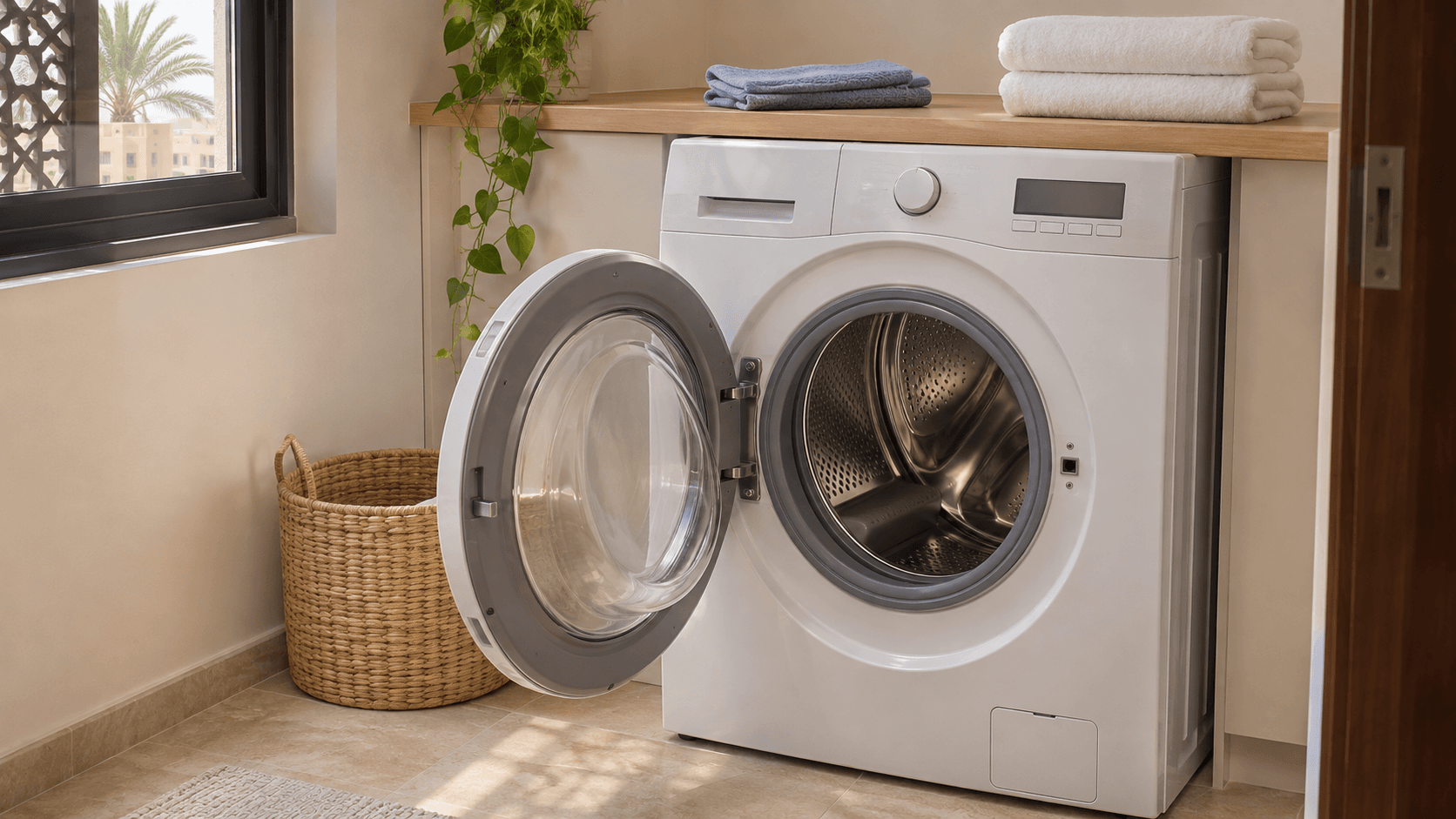
You open the washing machine expecting clean laundry, but a stale smell reaches you first. Before buying another fragranced product or booking a repair, check a few details. Where is the smell strongest? Does it remain when the drum is empty? Has anything changed in the way the household does the laundry? Those answers give you a better starting point than adding more detergent.
Check the detergent dose, clean accessible parts as directed, and use your model’s cleaning programme.
Start with the model number and a short note
Find the model number on an accessible label or in your purchase record, then open the manufacturer's manual. Look for the sections on cleaning, detergent dosing and the drum-cleaning programme. A front-loader, a top-loader and a washer-dryer may need different routines.
Write down when you first noticed the smell and whether it affects every load or just particular items. Check the empty drum, the visible door seal and the detergent drawer separately, without dismantling anything. If someone else shares the machine, ask whether the detergent, softener or usual programme changed recently.
Check what goes into each wash
More detergent is not a reliable answer to an unpleasant smell. LG's odor and buildup guidance identifies incorrect detergent use and missed maintenance as possible contributors. Use the detergent type and quantity directed by your machine's manual and the product label.
Put the measuring cap beside the bottle and agree on a routine with everyone who uses the washer. For an automatic dispenser, check its settings in the manual instead of adding a second dose by habit. Keep a note of the product name; that is more useful than describing it only as “the blue bottle.”
Give the drawer and door seal some attention
Switch off and unplug the machine before hands-on cleaning, following its manual. Only remove a detergent drawer if the instructions identify it as user-removable. Photograph its inserts before taking them out, so you can put them back correctly. Clean and refit it as directed; do not force a stuck release or pull at an automatic dosing assembly.
For the accessible rubber door seal, Bosch recommends a soft, damp cloth. Check your own model's instructions before using any cleaning product on rubber. Photograph tears or damaged areas rather than trying to glue them or remove the seal.
Use the cleaning programme your washer specifies
A drum-cleaning programme is a separate maintenance step. Samsung's washer-cleaning guide, for example, specifies an empty drum for Self Clean and says cleaner is not normally needed for that cycle. That does not mean every brand uses the same method. Follow your model's instructions for the programme, approved product, amount and any follow-up rinse.
Do not turn a social-media cleaning recipe into an experiment. CDC guidance warns against mixing bleach or disinfectants with other cleaners, because dangerous vapours can result. A stronger smell from the cleaning product does not tell you whether the machine is clean.
Make the end of the wash part of the routine
Remove finished laundry promptly and dry accessible moisture traps, including the drawer and door seal, as the manual allows. Samsung's odor guidance includes these steps. If your manual advises leaving the door or drawer ajar to dry, keep children and pets away and do not leave the appliance accessible to them.
Choose a reminder that fits your household: the washer's maintenance alert or a calendar entry based on the manual. Record the cleaning date and product used. This makes it easier to notice a smell returning despite the correct routine.
Know what to leave for a technician
Stop using the machine if you notice a burning smell, smoke or a leak near electrical parts. Do not remove cabinet panels or disconnect hoses to investigate. A pump-filter procedure can release water; leave it to a technician if the manual, cooling requirements or access are unclear. Persistent smells, poor draining and damaged seals deserve a proper assessment.
Example request: “The smell is strongest around the door after a wash. I cleaned the accessible seal and drawer and ran the prescribed cleaning programme yesterday. It has returned. There is no visible error code. The model is attached.” Add only observations that are true for your machine.
Our home-service visit checklist helps you prepare photos and access details. You can also check the services currently available on Tasko and ask for the cause and proposed work to be explained before any repair begins.