Portable electric heaters: which outlet to use and when to stop
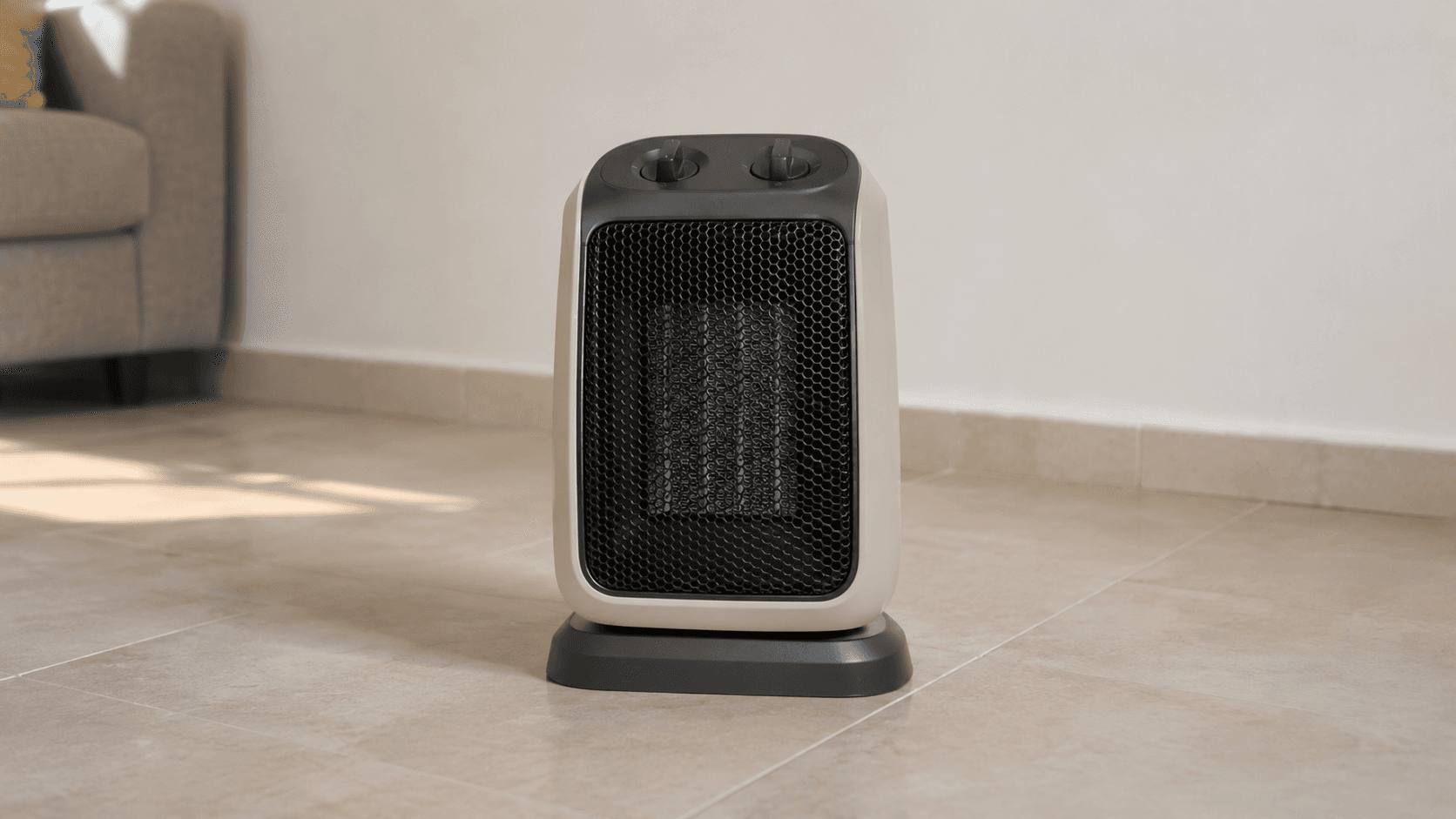
On 25 November 2026, the Saudi Press Agency reported a winter heating reminder from Riyadh First Health Cluster. The reminder covered several types of heating. If yours is a portable electric room heater, start with two checks you can make before switching it on: where the heater will sit and which outlet it will use.
Use a suitable wall outlet, leave clear space around the heater, and stop using it if the outlet gets hot or the breaker trips.
Pick a spot within reach of a wall outlet
Plug the heater straight into a suitable wall outlet using its own plug. The U.S. Consumer Product Safety Commission's portable heater guidance advises against power strips and extension leads. If the cord will only reach an outlet by crossing a doorway or running under a rug, pick another spot with a clear route. If there is no suitable spot, leave the heater off until you have another way to heat the room.
Before plugging it in, look at the cord and plug with the heater switched off and disconnected. A split casing, damaged cord or bent plug pin is a reason to leave it out of use and contact the manufacturer or a qualified repairer. If the plug sits loosely in the wall outlet, stop using that outlet and have it checked.
Leave room around the heater
Set the heater upright on a firm, level surface. Keep it about a metre or more from things that can catch fire, including curtains, cushions, bedding and clothes. Follow the manufacturer's instructions if your model needs more clearance. Check the space on every side. A spot that looks clear in the morning may be next to a curtain that moves when someone opens the window.
For example, in a majlis with floor cushions, look for a spot where people can walk past without knocking the heater or pulling the cord. Keep the heater away from water and from where children and pets play. Switch it off whenever you leave the room or go to sleep.
Stop using a heater that trips the breaker
If an outlet, its cover, or the plug becomes unusually hot, or you notice a burning smell or new discoloration, stop using the heater and leave that outlet out of use. Have a qualified electrician check the outlet if the heat or marks are there. If the damage is on the heater or its cord, ask the manufacturer or an authorised repairer to inspect the unit before you use it again.
The CPSC guide to home wiring hazards treats repeated breaker trips as a fault that needs investigation. If the breaker trips when you switch on the heater, leave the heater off. Avoid resetting the breaker repeatedly or testing the heater in other outlets. Ask an electrician to check the circuit and advise if the heater itself needs inspection.
Write down what happened without recreating it
For the electrician, note the room and outlet, the heater model, when the problem started and what else you remember being on at the time. For example, “The living-room breaker went off a minute after I turned on the heater. The lights in the hallway went out as well.” That's more useful than switching everything on again to take a video. Our guide to preparing for a home-service visit covers other details worth sending.
Ask for the outlet and circuit to be checked
If the problem points to the wall outlet or breaker, see Tasko's electrical inspection visit and describe what you observed when you book. Ask the electrician to tell you which outlet you can use and whether the heater also needs its own inspection before you turn it back on.